




Bulletproof Glass Layers Explained: What Level of Protection Do You Actually Need?
Bulletproof Glass Layers Explained: What Level of Protection Do You Actually Need?
“Bulletproof glass” is a marketing word. In real specifications it is bullet-resistant laminated security glass — a multi-layer composite rated to a named threat under UL 752, EN 1063, NIJ 0108.01, STANAG or GB 17840. The right build for a bank counter in Dubai is wrong for an embassy vestibule in Washington, and wrong again for a CIT vehicle window. This guide explains the layer physics, decodes ballistic glass levels, and gives you a procurement checklist so you buy the protection you actually need — not the biggest number on the datasheet.
1. What “Layers” Actually Mean in Security Glass
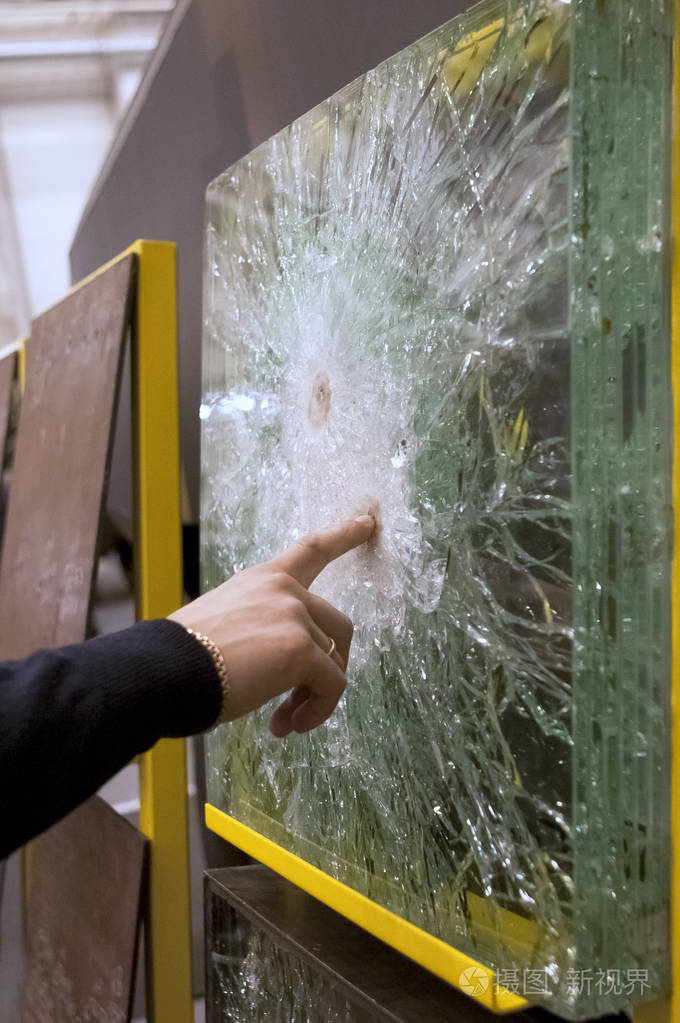
A ballistic laminate is not one thick pane. It is a sandwich autoclaved under heat and pressure:
- Strike / sacrificial layer (outside): glass ply (annealed, heat-strengthened or tempered) that shatters radially on impact, spreading the bullet’s kinetic energy over a wider area.
- Interlayer(s): PVB (0.38–1.52 mm), SGP/SentryGlas (1.52–2.28 mm), PU, or EVA. Holds fragments, stretches plastically, absorbs residual energy. SGP has ~5× the tear strength of PVB — that is why rifle builds move to SGP.
- Core glass plies: additional glass layers that keep cracking and dissipating energy as the projectile slows.
- Spall / backup layer (inside): either another glass ply (all-glass build, “spall allowed”) or a polycarbonate (PC) sheet (glass-clad PC, “no-spall”). PC catches back-face fragments and can cut total weight 50%+ versus all-glass at the same rating.
- Energy path: surface fracture → interlayer stretch → core absorption → PC backstop. Fail any one layer and the rating collapses.
2. Decoding Ballistic Glass Levels (the three systems buyers actually use)
| System | Region | Scale | Handgun band | Rifle band | Notes |
|---|---|---|---|---|---|
| UL 752 | North America | Lvl 1–8 (10 in 12th ed.) | 1–3 (9mm→.44 Mag) | 4–8 (.30-06→7.62×51) | Building-product standard; spall judged |
| EN 1063 | EU/UK/MEA | BR1–BR7 + SG1/2 | BR1–BR4 (.22→.44 Mag) | BR5–BR7 (5.56→7.62 AP) | Adds SA / NS (spall allowed / no spall) |
| NIJ 0108.01 | US (law enforcement origin) | I–IV | I–IIIA | III–IV (7.62 / AP) | Often cross-referenced, not a building code itself |
| STANAG 4569 / AEP-55 | NATO/vehicles | 1–5 | — | 2–5 (M16 AP etc.) | Vehicle/armored use |
| GB 17840 | China | F/FJ/FB bands | 7.62 handgun class | 7.62 rifle / steel core | Domestic public-project mandatory Rough crosswalk (not 1:1 — always test-report it): |
- 9mm → UL 1 ≈ EN BR2 ≈ NIJ I
- .357 Mag → UL 2 ≈ EN BR3 ≈ NIJ IIA
- .44 Mag → UL 3 ≈ EN BR4 ≈ NIJ IIIA
- 5.56×45 → UL 7 ≈ EN BR5
- 7.62×51 → UL 5/8 ≈ EN BR6 ≈ NIJ III
- 7.62 AP → EN BR7 ≈ NIJ IV
3. Thickness & Build Logic by Threat Band
Indicative only — final build comes from the lab report, not a catalogue.
| Threat band | Typical total thickness | Typical stack | VLT | Spall |
|---|---|---|---|---|
| Handgun low (UL1 / BR2) | 19–25 mm (0.75–1.0″) | 3 glass + PVB | 80–85% | SA ok if no personnel behind |
| Handgun high (UL3 / BR4) | 32–38 mm (1.25–1.5″) | 3 glass + SGP/PVB | 75–82% | NS recommended for counters |
| Rifle entry (BR5 / UL7) | 50–64 mm (2.0–2.5″) | 4–5 glass + SGP + PC | 70–78% | NS (PC backer) |
| Rifle high (UL8 / BR6) | 61–70 mm (2.4–2.75″) | 6 glass + 0.24″ SGP + PC | 70–75% | NS mandatory |
| AP rifle (BR7 / NIJ IV / STANAG 2+) | 84–100 mm+ (3.3–4″+) | 8 glass + PC thick backer | 65–70% | NS only Jumbo Glass Group stock capability: 0.4″–4″ total, max panel 118″×79″, flat or curved R≥32″, EN 1063 BR1–BR7 / FB5–FB7 / UL 752 Lvl 8 / STANAG 2, low-iron option to kill the green tint at thickness. |
4. “What Level Do I Actually Need?” — By Application
- Retail / pharmacy / gas station transaction window → UL 1–2 or EN BR2. Personnel behind glass? Specify NS (PC backer) even at low level.
- Bank teller counter, credit union, cash room → UL 3 or EN BR3–BR4, NS, low-iron for clarity.
- School admin / courthouse / prison visit room → UL 3–4, NS, often with forced-entry (EN 356 P8A) overlay.
- Embassy outer vestibule, government hub → EN BR5–BR6 or UL 5/7, NS, frame + anchor rated as assembly.
- Armored vehicle, CIT, VIP sedan → STANAG 2–3 or NIJ III/IV, glass-clad PC to cut weight 30–50%.
- Military checkpoint, AP-threat zone → EN BR7 / NIJ IV / STANAG 4+, all-glass + thick PC, FEA on frame.
Rule: threat assessment first, level second, thickness last. Over-specifying BR7 where BR3 suffices adds weight, cost, and frame depth for zero real gain.
5. The Five Spec Mistakes That Void the Rating
- Buying glass only — UL/EN rate the assembly (glass + frame + glazing bead + anchor). Drop-in replacement into a standard curtain-wall mullion = rating 0.
- Ignoring spall class — EN 1063 SA (spall allowed) is fine for a vault view panel nobody stands behind; NS (no spall, PC backed) is mandatory where staff sit within 1 m.
- Assuming “bulletproof = smash-proof” — ballistic glass resists high-velocity small impactors; a 1 kg hammer on one spot can still punch an all-glass BR2 panel. Add EN 356 P8A if forced entry matters.
- Cross-standard 1:1 swaps — NIJ III ≠ EN BR6 exactly (velocity/round differences). Always request the manufacturer’s cross-reference letter + original test report.
- Green tint at thickness — 6 plies of float glass go visibly green; specify low-iron above ~38 mm total if VLT/aesthetics matter.
6. RFQ Block for Security Glass (copy-paste)
- Governing standard + level: e.g. “EN 1063 BR6 NS” or “UL 752 Level 8, spall judged”
- Threat basis: weapon, caliber, rounds, distance (from security consultant)
- Spall: SA or NS (PC backer thickness)
- Panel W×H, frame pocket depth, stepped edge yes/no
- Substrate: clear float or low-iron
- Extras: forced-entry EN 356 P8A, acoustic Rw, Low-E IGU hybrid, fire EI60
- Cert pack: accredited lab report (UL/Intertek/CSIRO/EN 1063 notified body), DoP/CE, install drawing, frame compatibility letter
- Incoterm + max crate weight per panel
7. Jumbo Glass Group Capability Note
We laminate bulletproof / ballistic security glass as:
- All-glass PVB/SGP stacks (SA) and glass-clad PC stacks (NS, 30% lighter)
- EN 1063 BR1–BR7, FB5–FB7, UL 752 Lvl 8, STANAG 2, GB 17840 bands
- Low-iron, curved (R≥32″), screen-print, Low-E-integrated hybrids
- Max 118″×79″ per lite, 0.4″–4″ total, free ballistic test video + frame/anchor review on RFQ
Bottom line: Bulletproof glass is a layering problem, not a thickness problem. Match ballistic glass levels to the actual weapon threat, pick SA vs NS by who stands behind the pane, and certify the whole security glass assembly — glass, interlayer, PC backer, frame, anchor. Anything less is a datasheet, not a defense.
📩 Send threat basis + panel schedule + frame detail → we return a level-marked build-up with test-report excerpt and weight calc.
FAQ
Q: Is thicker bulletproof glass always safer?
A: No. Thickness must match the rated threat. A 100 mm BR7 panel in a retail counter is wasted weight; a 19 mm BR2 panel at an embassy rifle line fails. Rate by weapon, not by inches.
Q: What is the difference between SA and NS in EN 1063?
A: SA = spall allowed (fine fragments may eject on the safe side; fine when nobody is behind). NS = no spall, achieved with a polycarbonate backer; mandatory where personnel stand within reach of the pane.
Q: Can I convert NIJ Level III to EN BR6 directly?
A: Approximately, but not legally. Test velocities and round constructions differ. Use the project’s mandatory standard and request a cross-reference letter from the laminator.
Q: Does bulletproof glass stop hammers?
A: Not by default. Ballistic laminates resist high-velocity small projectiles; repeated blunt impact can breach all-glass builds. Add EN 356 P8A forced-entry rating if smash resistance matters.
Ballistic Glass Level & Layer Quick-Card
Standards crosswalk · Build logic · SA vs NS
Headline rule: Match ballistic glass levels to the real weapon threat, pick spall class by who stands behind the pane, and certify the whole assembly — glass, interlayer, PC backer, frame, anchor. Thickness alone is not a rating.
1. Level Crosswalk (approximate — always confirm by test report)
| Threat | UL 752 (NA) | EN 1063 (EU/MEA) | NIJ 0108.01 | STANAG 4569 | GB 17840 |
|---|---|---|---|---|---|
| .22 LR | Lvl 1 | BR1 | I | — | F class |
| 9 mm | Lvl 1 | BR2 | I | — | F class |
| .357 Mag | Lvl 2 | BR3 | IIA | — | F class |
| .44 Mag | Lvl 3 | BR4 | IIIA | 1 | F class |
| 5.56×45 | Lvl 7 | BR5 | III | 2 | FB class |
| 7.62×51 | Lvl 5 / 8 | BR6 | III | 3 | FB class |
| 7.62 AP | Lvl 8 | BR7 | IV | 4 | FB class |
⚠️ Not 1:1. Test velocities and round construction differ — always request the manufacturer’s cross-reference letter + original lab report.
2. Layer Stack (inside → outside)
| Layer | Material | Job |
|---|---|---|
| Spall / backup | Glass ply or polycarbonate (PC) | Catches back-face fragments; PC cuts weight 30–50% |
| Core plies | Float / low-iron glass ×2–8 | Keeps cracking, dissipates residual energy |
| Interlayer | PVB 0.38–1.52 · SGP 1.52–2.28 · PU / EVA | Holds fragments, stretches plastically, absorbs energy (SGP ≈5× PVB tear strength) |
| Sacrificial strike | Annealed / heat-strengthened / tempered | Shatters radially, spreads bullet energy over wider area Energy path: surface fracture → interlayer stretch → core absorption → PC backstop. Break any one layer, rating collapses. |
3. Thickness & Build by Threat Band (indicative)
| Band | Total thickness | Stack | VLT | Spall |
|---|---|---|---|---|
| Handgun low (UL1 / BR2) | 19–25 mm (0.75–1.0″) | 3 glass + PVB | 80–85% | SA ok if no one behind |
| Handgun high (UL3 / BR4) | 32–38 mm (1.25–1.5″) | 3 glass + SGP/PVB | 75–82% | NS for counters |
| Rifle entry (UL7 / BR5) | 50–64 mm (2.0–2.5″) | 4–5 glass + SGP + PC | 70–78% | NS |
| Rifle high (UL8 / BR6) | 61–70 mm (2.4–2.75″) | 6 glass + 0.24″ SGP + PC | 70–75% | NS mandatory |
| AP rifle (BR7 / NIJ IV) | 84–100 mm+ (3.3–4″+) | 8 glass + thick PC | 65–70% | NS only Jumbo Glass Group: 0.4″–4″ total · max 118″×79″ · flat or curved R≥32″ · low-iron to kill green tint. |
4. Application → Minimum Level
| Application | Minimum level | Spall |
|---|---|---|
| Retail / gas station transaction window | UL 1 / EN BR2 | NS if staff within 1 m |
| Bank teller counter, cash room | UL 3 / EN BR3–4 | NS, low-iron |
| School admin / courthouse / prison visit | UL 3–4 | NS + EN 356 P8A overlay |
| Embassy vestibule, government hub | EN BR5–6 / UL 5·7 | NS, rated frame + anchor |
| Armored vehicle / CIT / VIP sedan | STANAG 2–3 / NIJ III–IV | NS, glass-clad PC |
| Military checkpoint / AP zone | EN BR7 / NIJ IV / STANAG 4+ | NS, FEA on frame |
5. Five Spec Traps That Void the Rating
- Glass-only purchase into a generic mullion → rating = 0. UL/EN certify the assembly.
- Wrong spall class — SA where staff sit behind the pane is a fail; specify NS + PC backer.
- "Bulletproof = smash-proof" — add EN 356 P8A if forced entry matters.
- NA × EU × NIJ 1:1 swaps — different rounds, different velocities; get the cross-ref letter.
- Green tint at thickness — go low-iron above ~38 mm total.
📩 Send threat basis + panel W×H + frame detail → we return a level-marked build-up with test-report excerpt and weight calc.
Related Posts