Low‑E Insulated Glass / Low‑E 6+16Ar+6 | Energy‑Efficient IGU with Low‑E Coating & Argon Fill
High‑Performance Energy‑Efficient IGU with Low‑E Coating & Argon Gas Fill – The Industry Standard for Energy Codes Worldwide
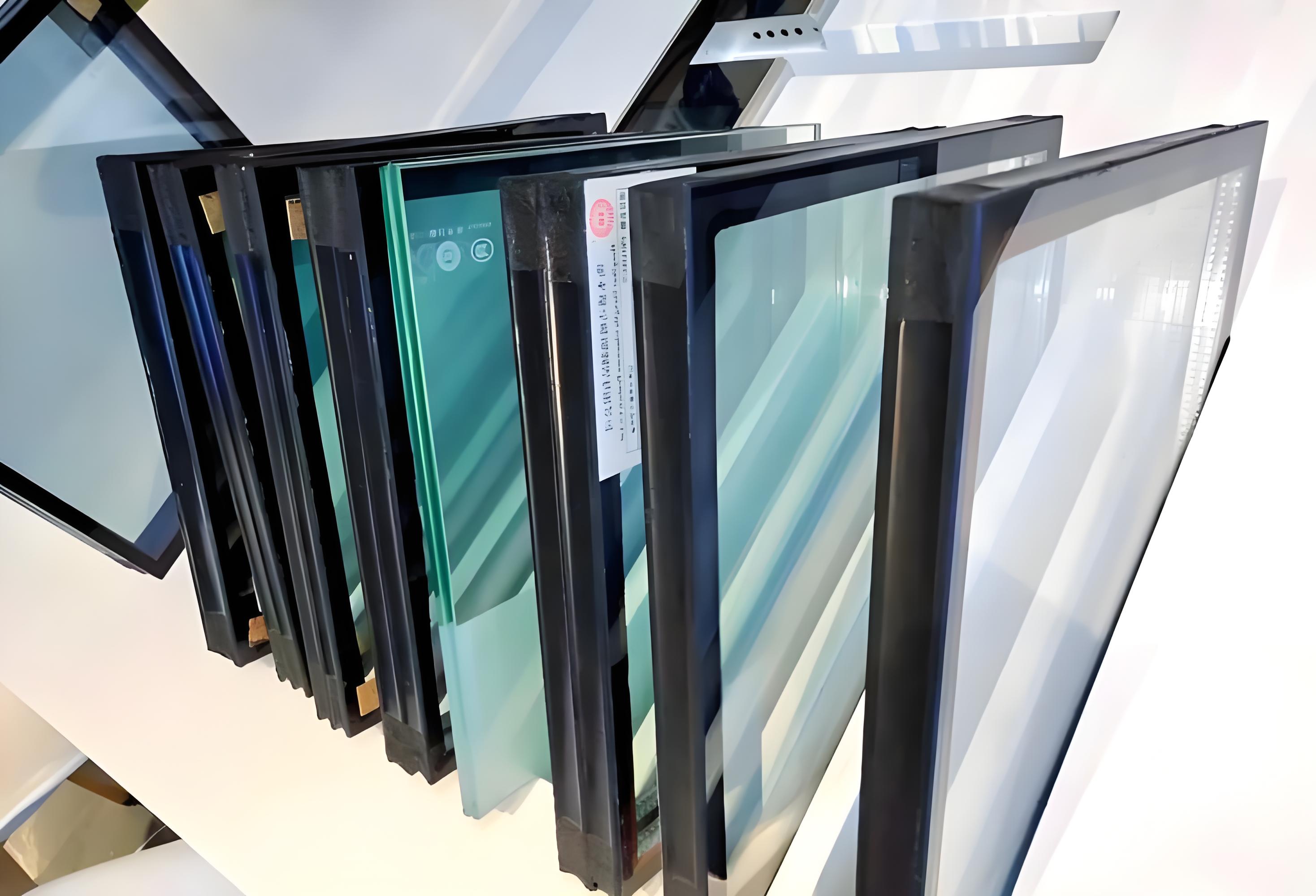
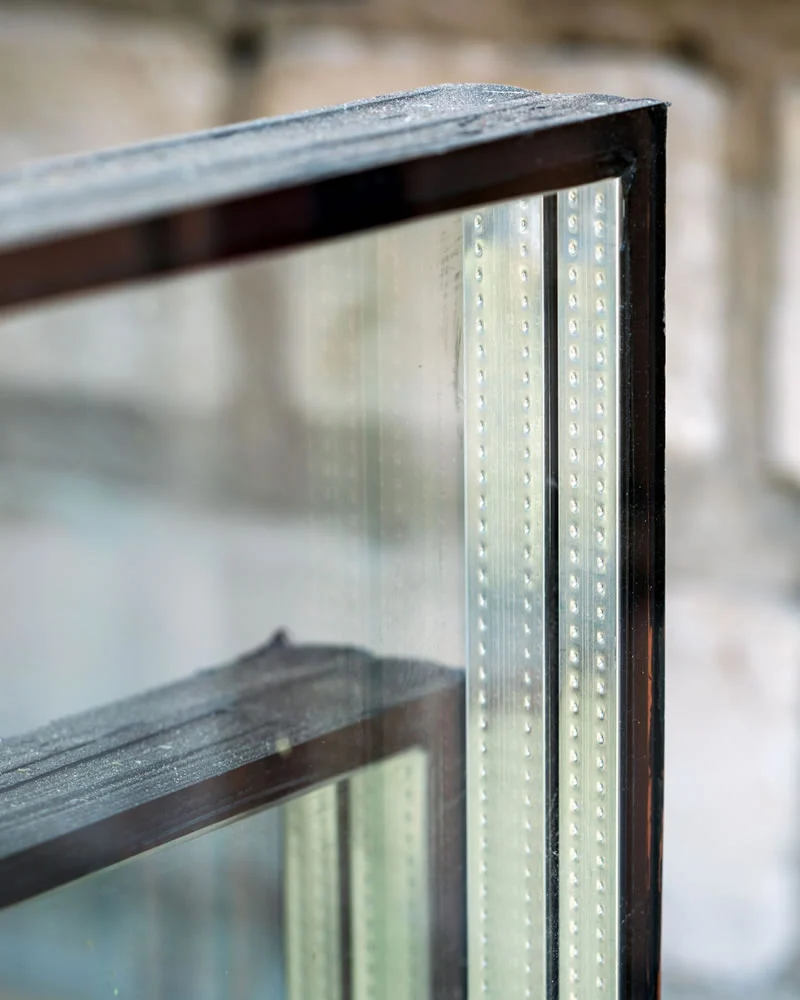
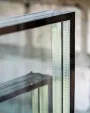
Low‑E insulated glass (also called Low‑E double glazing, Low‑E IGU, or energy‑efficient insulated glass) is a double‑glazed unit where one or more glass surfaces are coated with a microscopically thin layer of metal oxide that reflects long‑wave infrared heat while allowing visible light to pass through. Combined with argon gas fill in the cavity, Low‑E insulated glass delivers the optimal balance of thermal performance, daylight admission, and cost effectiveness — making it the most specified glazing product for energy‑code‑compliant buildings worldwide.
The configuration 6+16Ar+6 (6mm glass + 16mm argon‑filled gap + 6mm glass) represents the sweet spot for commercial curtain wall applications: it achieves U‑values as low as 1.4 W/m²K with double silver Low‑E coating, meets ASHRAE 90.1, California Title 24, and European EPBD requirements, and provides excellent value for money.
Why Low‑E Insulated Glass? – The Performance Story
1. How Low‑E Coatings Work
Low‑E (low emissivity) coatings are applied to glass surfaces through a magnetron sputtering process (soft coat) or chemical vapor deposition (hard coat). The coating:
- Reflects long‑wave infrared radiation (heat) back into the building during winter
- Reflects solar infrared radiation away from the building during summer (depending on coating placement)
- Admits visible light — preserving daylight and views
- Blocks UV radiation — protecting interior furnishings
| Coating Type | Number of Metal Layers | Typical U‑Value (6+16Ar+6) | Best For |
|---|
| Single Silver | 1 | ~1.7 W/m²K | Budget energy efficiency |
| Double Silver | 2 | ~1.4 W/m²K | Most popular – commercial standard |
| Triple Silver | 3 | ~1.2 W/m²K | Passive House, net‑zero buildings |
2. Why Argon Fill?
Argon is an inert, colorless, odorless gas that is denser than air (1.78 kg/m³ vs. 1.29 kg/m³). This density reduces convection currents within the cavity, slowing heat transfer between the glass panes.
| Gas Fill | Thermal Conductivity (W/m·K) | U‑Value Improvement vs. Air | Cost Impact |
|---|
| Air | 0.026 | Baseline | None |
| Argon | 0.018 | ~15% better | Low (+$1–2/m²) |
| Krypton | 0.009 | ~25% better | Moderate (+$5–8/m²) |
💡 Argon fill is the most cost‑effective performance upgrade available for insulated glass. For a typical 6+16A+6 unit, the argon upgrade adds ~$1–2/m² to cost but improves U‑value by ~15% — a payback period of less than one year in most climates.
3. Low‑E 6+16Ar+6 – The Goldilocks Configuration
The configuration 6mm glass + 16mm argon gap + 6mm glass hits the sweet spot for commercial applications:
| Parameter | 6+12A+6 Low‑E/Argon | 6+16Ar+6 Low‑E/Argon | 6+16Kr+6 Low‑E/Krypton |
|---|
| U‑Value (Double Silver) | ~1.5 W/m²K | ~1.4 W/m²K | ~1.2 W/m²K |
| Gas cost | Low | Low | Moderate |
| Gas retention | Good | Excellent (more gas volume) | Good |
| Frame compatibility | 24mm pocket | 28mm pocket | 28mm pocket |
| Energy code compliance | Basic | Meets strictest codes | Passive House |
| Cost | Base | +8–12% | +25–35%
Bottom line: Low‑E 6+16Ar+6 delivers the best cost‑to‑performance ratio for commercial curtain walls, meeting the world's strictest energy codes at a reasonable premium. |
Performance Data – Typical Values
Low‑E 6+16Ar+6 (Double Silver Low‑E, Argon Fill)
| Parameter | Value |
|---|
| U‑Value (center of glass) | ~1.4 W/m²K |
| U‑Value (whole window, aluminum frame) | ~1.8 W/m²K |
| Solar Heat Gain Coefficient (SHGC) | ~0.62 |
| Visible Light Transmittance (VLT) | ~70% |
| UV Blockage | ~85% |
| Sound Reduction (Rw) | ~32 dB |
| Weight | ~30 kg/m² |
Performance by Low‑E Type (6+16Ar+6)
| Coating Type | U‑Value (W/m²K) | SHGC | VLT | Relative Cost |
|---|
| Clear (no coating) | ~2.5 | ~0.76 | ~80% | Base |
| Single Silver Low‑E | ~1.7 | ~0.68 | ~74% | +15–20% |
| Double Silver Low‑E | ~1.4 | ~0.62 | ~70% | +25–35% |
| Triple Silver Low‑E | ~1.2 | ~0.57 | ~67% | +40–55% |
Available Configurations
Low‑E insulated glass is available in all standard IGU configurations:
| Configuration | Total Thickness | Best For |
|---|
| 5+12Ar+5 | 22mm | Residential windows, light commercial |
| 5+16Ar+5 | 26mm | Residential, upgraded thermal |
| 6+12Ar+6 | 24mm | Commercial curtain walls |
| 6+16Ar+6 | 28mm | Most popular – commercial standard |
| 8+12Ar+8 | 28mm | High‑rise curtain walls |
| 8+16Ar+8 | 32mm | Hurricane zones, acoustic upgrades |
| 10+12Ar+10 | 32mm | Mega‑structures, blast resistant |
| 10+16Ar+10 | 36mm | Super‑tall towers |
Low‑E Coating Placement – Which Surface?
In a double‑glazed IGU, there are four glass surfaces (numbered 1 to 4 from exterior to interior):
| Surface | Location | Coating Recommended? | Effect |
|---|
| #1 | Outer pane, exterior face | No | Exposed to weather; coating would degrade |
| #2 | Outer pane, interior face | Yes – recommended for cold climates | Reflects interior heat back into building |
| #3 | Inner pane, exterior face | Yes – recommended for hot climates | Blocks solar heat gain from entering |
| #4 | Inner pane, interior face | No | Exposed to interior; easily damaged
Standard recommendation for temperate climates: Low‑E on #2 surface.
For hot climates (Middle East, Singapore, Miami): Low‑E on #3 surface.
For maximum performance: Dual Low‑E on both #2 and #3 surfaces. |
Glass Combinations Available with Low‑E
| Outer Pane | Inner Pane | Best For |
|---|
| Low‑E | Clear Float | Most popular – cost‑effective thermal |
| Low‑E Tempered | Clear Float | Safety + thermal |
| Low‑E Tempered | Tempered | Full safety + thermal |
| Low‑E | Laminated | Thermal + acoustic |
| Low‑E Tempered | Laminated Tempered | Thermal + safety + acoustic |
| Low‑E Reflective | Clear Float | Solar control + thermal |
| Low‑E Tinted | Clear Float | Aesthetics + thermal |
Spacer Options for Low‑E IGU
| Spacer Type | Material | U‑Value Impact | Condensation Risk | Cost |
|---|
| Aluminum | Extruded aluminum | Baseline (thermal bridge) | Moderate | Lowest |
| Warm Edge (TPE) | Thermoplastic elastomer | Improves by ~0.15 W/m²K | Low | +10–15% |
| Swisspacer | Reinforced polymer | Improves by ~0.20 W/m²K | Very low | +20–30% |
| Stainless Steel | Box‑section stainless | Moderate improvement | Low | +15–20% |
💡 For energy‑code projects, warm edge spacers are strongly recommended to minimize thermal bridging at the glass edge.
Technical Specifications (Low‑E 6+16Ar+6)
| Parameter | Specification |
|---|
| Glass Configuration | 6mm + 16mm gap + 6mm |
| Total Thickness | 28mm (±1mm) |
| Glass Types | Clear, Low‑E (S/D/T), Tempered, Laminated |
| Coating Type | Magnetron sputtered soft coat (recommended) or CVD hard coat |
| Coating Placement | #2 or #3 surface (specify) |
| Gas Fill | Argon (≥90% initial fill concentration) |
| Spacer Types | Aluminum, Warm Edge TPE, Swisspacer, Stainless Steel |
| Desiccant | Molecular sieve (3Å) |
| Primary Seal | Polyisobutylene (PIB) |
| Secondary Seal | Polysulfide or Silicone |
| U‑Value (center of glass) | ~1.4 W/m²K (EN 693) |
| U‑Value (whole window) | ~1.8 W/m²K (dependent on frame) |
| SHGC | ~0.62 |
| VLT | ~70% |
| UV Blockage | ~85% |
| Sound Reduction (Rw) | ~32 dB |
| Maximum Size | 3300 × 7800 mm |
| Weight | ~30 kg/m² |
| Seal Life Expectancy | >20 years (EN 1079‑2/‑3) |
| Standards | EN 793, CE, ISO 9111, CCC, SGS |
| MOQ | 1 × 20′ FCL (~180–280 m²) |
| Lead Time | 2–4 weeks |
Applications
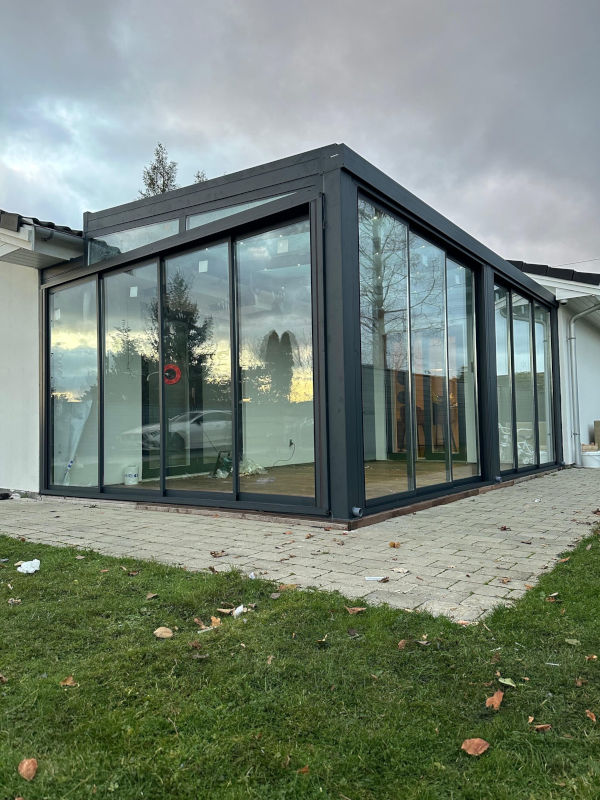
Commercial Curtain Walls ⭐ Primary Application
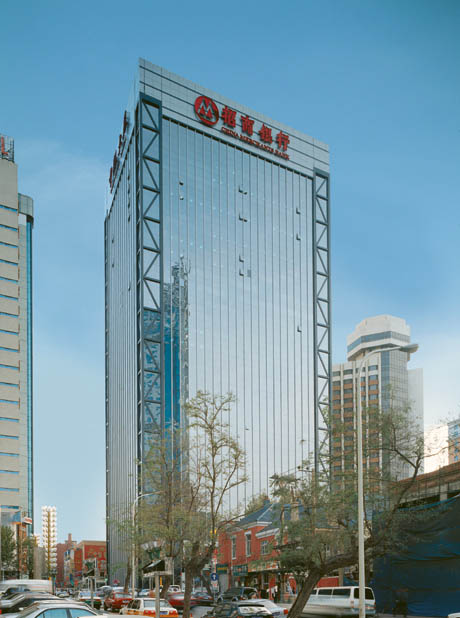
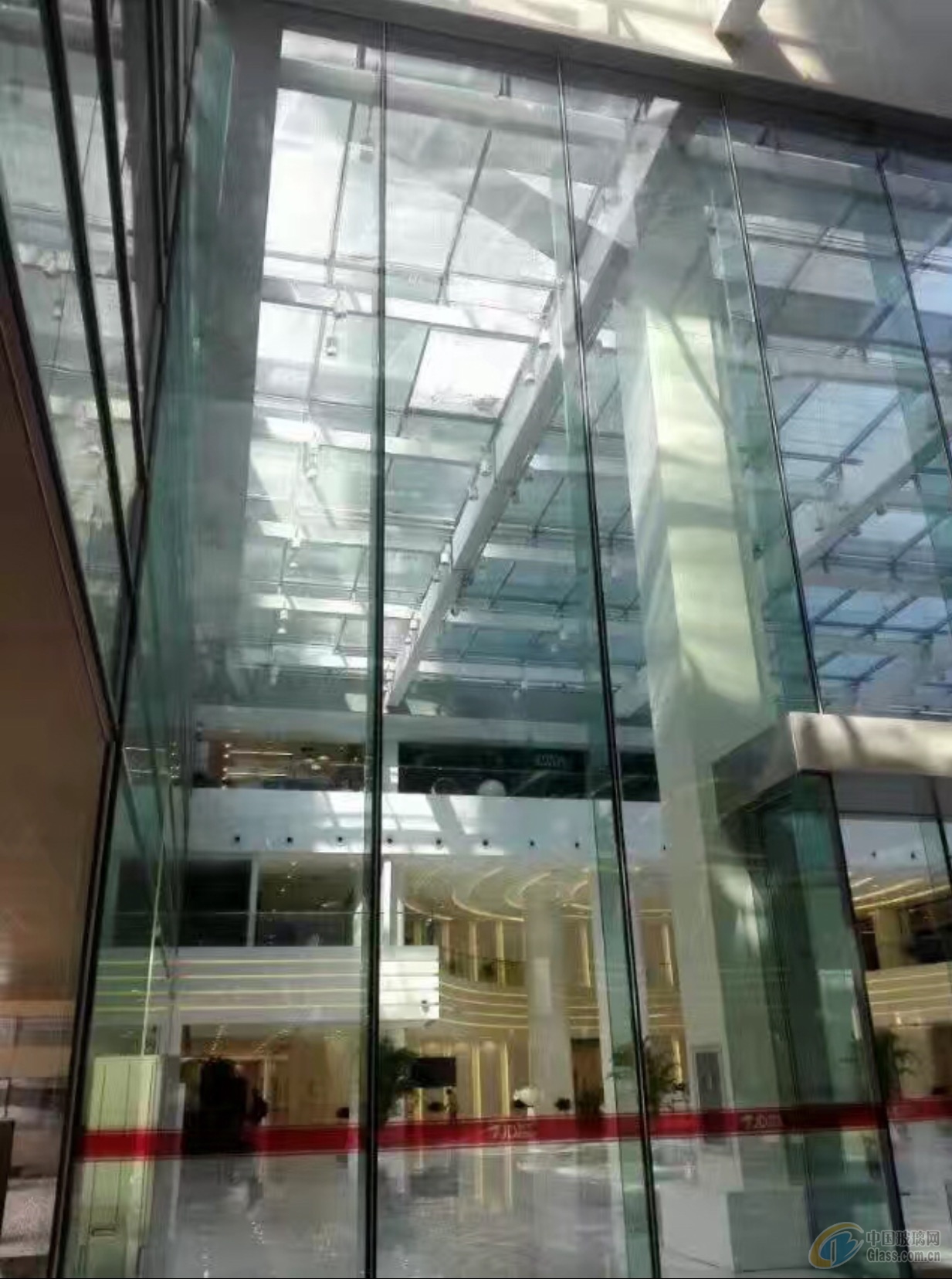
Low‑E 6+16Ar+6 is the most specified glazing product for commercial curtain walls worldwide. Office towers, government buildings, hotels, and mixed‑use developments rely on this configuration for its proven performance, energy code compliance, and cost effectiveness.
Office Buildings & Corporate Campuses
Corporate headquarters and speculative office developments specify Low‑E 6+16Ar+6 to meet ASHRAE 90.1, California Title 24, and EU EPBD requirements while providing comfortable, daylit interiors.
Residential High‑Rises
Condominium towers and apartment buildings use Low‑E 6+16Ar+6 for its combination of thermal performance, acoustic comfort, and condensation resistance.
Hotels & Hospitality
Hotel chains specify Low‑E 6+16Ar+6 for guestroom windows to reduce energy costs, eliminate drafts, and improve guest comfort.
Schools & Universities
Educational institutions choose Low‑E 6+16Ar+6 for its daylight admission, energy savings, and contribution to healthy learning environments.
Healthcare Facilities
Hospitals and clinics use Low‑E 6+16Ar+6 to maintain stable indoor temperatures, reduce condensation (infection control), and lower operating costs.
Retail & Shopping Centers
Retail facades and mall atriums benefit from Low‑E 6+16Ar+6's combination of energy efficiency and visual clarity for merchandise display.
Energy Code Compliance
Low‑E 6+16Ar+6 with double silver coating meets the following energy code requirements:
| Code | Requirement | Compliance |
|---|
| ASHRAE 90.1‑2022 | U‑value ≤ 1.8 W/m²K (fixed) | ✅ Compliant |
| California Title 24‑2025 | U‑value ≤ 1.7 W/m²K (prescriptive) | ✅ Compliant |
| EU EPBD (nZEB) | U‑value ≤ 1.5 W/m²K (typical) | ✅ Compliant |
| Singapore Green Mark | U‑value ≤ 1.8 W/m²K (basic) | ✅ Compliant |
| LEED v5 | Contributes to EA credit | ✅ Points eligible |
| BREEAM | Contributes to ENE credit | ✅ Points eligible |
Pricing Guidance (FOB USD/m²)
Low‑E 6+16Ar+6
| Glass Combination | Low‑E Type | FOB Range (USD/m²) |
|---|
| 6mm Low‑E + 16Ar + 6mm Clear | Single Silver | $28–40 |
| 6mm Low‑E + 16Ar + 6mm Clear | Double Silver | $30–44 |
| 6mm Low‑E + 16Ar + 6mm Clear | Triple Silver | $34–48 |
| 6mm Low‑E Tempered + 16Ar + 6mm Clear | Double Silver | $34–48 |
| 6mm Low‑E Tempered + 16Ar + 6mm Tempered | Double Silver | $38–52 |
| 6mm Low‑E + 16Ar + 6mm Laminated | Double Silver | $38–54 |
Low‑E 6+12Ar+6 (comparison)
| Glass Combination | Low‑E Type | FOB Range (USD/m²) |
|---|
| 6mm Low‑E + 12Ar + 6mm Clear | Double Silver | $28–40 |
| 6mm Low‑E + 12Ar + 6mm Tempered | Double Silver | $34–48 |
💡 Final pricing varies with Low‑E type (single/double/triple silver), spacer type, panel dimensions, and order volume. For a precise project quotation, send us your glass schedule.
Frequently Asked Questions
Q1: What does Low‑E mean?
Low‑E stands for low emissivity. It refers to a microscopically thin metal oxide coating applied to glass that reflects infrared heat while transmitting visible light.
Q2: What is the difference between hard‑coat and soft‑coat Low‑E?
Hard‑coat (pyrolytic) is applied during glass manufacturing and is more durable. Soft‑coat (sputtered) is applied after manufacturing and offers better performance but must be protected inside a sealed IGU. For most applications, soft‑coat is recommended for superior U‑values.
Q3: What does 6+16Ar+6 mean?
6mm glass + 16mm argon‑filled gap + 6mm glass. "Ar" indicates argon gas fill.
Q4: What is the U‑value of Low‑E 6+16Ar+6?
With double silver Low‑E: ~1.4 W/m²K (center of glass). Whole‑window U‑value depends on frame type.
Q5: Which side should the Low‑E coating face?
For cold climates: #2 surface (outer pane, interior face). For hot climates: #3 surface (inner pane, exterior face).
Q6: Can Low‑E glass be tempered?
Yes. Low‑E coating is applied before tempering. The tempering process does not damage the coating.
Q7: How long does argon gas stay in the IGU?
Properly manufactured IGUs retain >90% of argon for 20+ years. Our units pass EN 1079‑2 accelerated aging tests.
Q8: What is the maximum size?
Up to 3300 × 7900 mm for Low‑E 6+16Ar+6.
Q9: Can I get Low‑E with reflective or tinted glass?
Yes. Low‑E coating can be combined with reflective (online hard‑coat) or tinted glass for enhanced solar control.
Q10: What certifications do you provide?
CE, ISO 9211, CCC, SGS, EN 798. NFRC certification available on request.
Get a Quote for Low‑E Insulated Glass
Tell us your project requirements and we'll respond within 48 hours with a competitive FOB quotation and preliminary U‑value calculations.
Please provide:
- Configuration (e.g., 6+16Ar+6)
- Low‑E type (Single / Double / Triple Silver)
- Coating placement (#2 or #3 surface)
- Glass types (clear, tempered, laminated)
- Spacer type (Aluminum / Warm Edge / Swisspacer)
- Panel dimensions (width × height × quantity)
- Target U‑value or energy code
- Certifications required
- Delivery timeline
- 📧 Email your specification to: tomron1688@gmail.com
- 🌐 Or visit: www.jumbotemperedglass.com
Related Products
•5+9A+5 / 5+12A+5 Insulated Glass – 20mm & 22mm IGU for residential & light commercial
•6+12A+6/6+16A+6 Insulated Glass–24mm/28mm IGU for heavier duty applications
•8+12A+8/8+16A+8 Insulated Glass – 28mm/32mm heavy‑duty IGU
•10+12A+10/10+16A+10 Insulated Glass – 32mm/36mm high‑performance IGU
•Double Glazed Glass – Standard IGU overview
•Triple Glazed Glass – Three‑pane IGU for Passive House
•Low‑E Insulated Glass – Energy‑efficient IGU with Low‑E coating
•Laminated IGU/safety insulated glass – Acoustic & security insulated glass
•Jumbo Insulated Glass – Up to 3300×12000mm oversized IGU
- 📧 Email your specification to: tomron1688@gmail.com
- 🌐 Or visit: www.jumbotemperedglass.com
.Related Pages (Internal Link Cluster)
Low‑E Glass Product Pages
IGU Configuration Pages
Related Resources